GUIDE
How to Spot Apartment and Housing Scams When You Have a Record
Finding an apartment with a felony or misdemeanor on your background is already hard. Scammers know that, and they use it. The harder it is for you to get approved through normal channels, the better a shortcut sounds. That's the opening they look for.
We work with renters who have criminal records. We've seen the scams that go after renters like you, and we've talked to people who lost hundreds or thousands of dollars to them. This guide covers what to watch for and how to check a listing or a locator before you send anything. Then it walks through what to do if you've already been burned.
Why Renters with Records Get Targeted
Scammers go after people who feel out of options. Say you've been denied at three or four apartment communities in a row. Then someone messages you on Facebook saying they can get you into a nice place with no background check. That's going to sound appealing, and that's the point.
Here's what makes renters with records easier targets:
- The search is exhausting. After enough rejections, your guard drops. A promise of easy approval feels like relief.
- Scammers use the right language. They use terms like "second chance," "felon friendly" and "no background check." Those are the exact phrases you're searching for.
- Reporting feels risky. Some people with records avoid calling the police or filing reports after past run-ins with the system. Scammers count on that silence.
- Identity theft hits harder. If someone steals your identity and opens accounts or runs up charges, you have to clean it up. With a criminal record already on file, that takes longer.
From January 2020 through June 2025, people reported nearly 65,000 rental scams to the FTC. Reported losses came to about $65 million, with a median loss of $1,000 (FTC Data Spotlight, December 2025). The real number is likely higher, since many scams never get reported. In the 12 months ending June 2025, about half of reported rental scams started with a fake ad on Facebook.
The Scams That Target Renters with Records
Not every rental scam is aimed at people with criminal histories. But several types feed on how hard it is to find housing with a record.
The "Guaranteed Approval" Pitch
Someone contacts you (or you find their ad) claiming they can guarantee you'll get approved at an apartment community, no matter your background. They want money before doing anything. Sometimes it's called a "processing fee" or a "special access fee." Sometimes they say they know the property manager and can pull strings.
No one can guarantee approval. Every apartment community makes its own screening decisions. A real locator can tell you which properties have worked with renters who have certain types of records, but no one controls the outcome. If someone promises a result and wants payment before doing any work, that's a scam.
Fake "No Background Check" Listings
These show up all the time on Facebook Marketplace and Craigslist. The listing uses photos stolen from a real property and shows a price well below market rate. It says things like "no background check" or "no credit check needed." The goal is to collect a deposit, first month's rent or an application fee before you realize the listing is fake.
Scammers copy real photos, real addresses and sometimes real property names from honest listings. Then they swap in their own contact information. When you reach out, they push you to hurry. The unit is almost gone, other people want it, and you need to send money now to hold it.
The Fake Locator
Some scammers pretend to be apartment locators or housing placement services for people with records. They charge a fee upfront, sometimes $200, sometimes $500 or more. They might send a list of apartments (often just copied from public listings), or they might disappear as soon as they're paid.
In Texas, a real apartment locator is a licensed real estate agent. The service is usually free to renters, since the apartment community pays the locator's fee. If someone calling themselves a locator asks you for money, that's your first warning sign.
The Fake Application
This one isn't always about your money. Some scammers post fake listings just to collect your personal information. They want your full legal name, Social Security number, date of birth, job details, bank account numbers and driver's license. They use it for identity theft.
A fake application looks a lot like a real one. The difference is who's asking and what happens after you fill it out. Say you send your Social Security number and bank details to a stranger from Facebook before they've shown they control the property. You've just handed them your identity.
The Fake Landlord at a Real Address
A scammer finds a vacant home or apartment and learns enough about it to sound real. Then they advertise it for rent, and they may even have a lockbox code. They show you the unit, collect a deposit, hand you a key or a receipt, and vanish. On move-in day, the actual owner or management company has no idea who you are.
This one does extra damage. By then you may have paid for a moving truck or given notice at your current place, all for a unit you thought was yours.

How to Check a Listing Before You Pay
These steps take about 15 minutes, and they can save your move-in money.
- Search the address on its own. Copy the address from the listing and search for it on Google. Look at the property's own website, if it has one. Check whether the unit shows up somewhere else at a different price or with different contact information. If the property is listed "for sale" instead of "for rent," that's a big warning sign.
- Call the property directly. Get the phone number from the property's own website or Google listing, not from the ad. Ask if the unit is available, what the rent is, and whether the person who contacted you can lease it. If the leasing office has never heard of that person, you have your answer.
- Visit in person before paying. A real landlord or property manager will let you see the unit. If someone pushes you to pay a deposit or first month's rent before you've set foot inside, walk away. "I'm out of town" and "I can't show it until you put down a deposit" are both red flags.
- Check the payment method. Wire transfers, gift cards, cryptocurrency, Cash App, Venmo and Zelle are hard or impossible to reverse once sent. An apartment community usually takes a check or money order made out to the management company, or payment through its own online portal. If you're asked to send money to a person through a payment app, stop and check everything again.
- Read before you sign. You should see the actual lease or rental agreement before you pay anything beyond an application fee. If there's no lease, no written terms and no record of what you're paying for, you're probably not dealing with a real landlord.
How to Check an Apartment Locator
Anyone offering to help you find an apartment is worth a quick check, especially if they say they specialize in renters with records. That includes us.
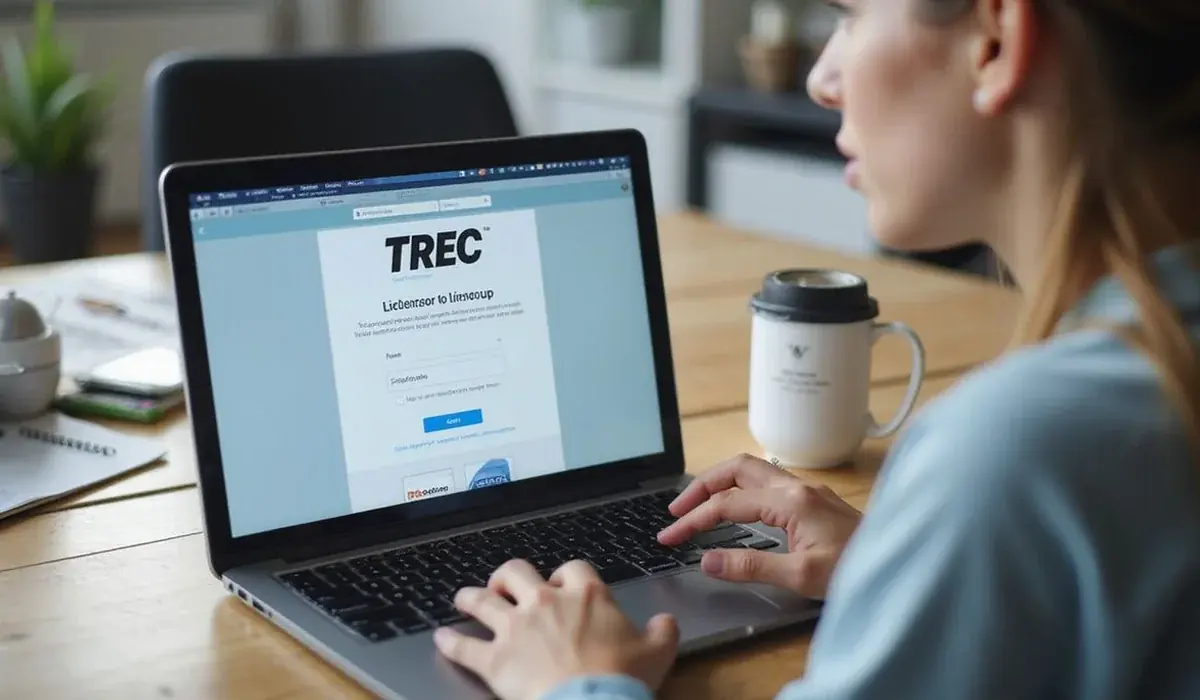
Look up their license. In Texas, apartment locators must hold a real estate license. You can search by name or license number on the Texas Real Estate Commission website. If they can't give you a license number, or the number doesn't match, don't work with them.
Ask who their broker is. Every licensed sales agent in Texas works under a sponsoring broker. A real locator can give you the broker's name and license number right away.
Ask how they get paid. Apartment locating in Texas is usually free to the renter. The apartment community typically pays the locator once you move in. If someone wants money before they start looking, that's not how the business works.
Check their website. A real locating company has a website and contact information that checks out. Texas license holders have to link two TREC notices on their website: Information About Brokerage Services and the Consumer Protection Notice. You'll usually find them in the footer. Check for reviews, too, and a history that goes back more than a few weeks.
Our service is free to renters. Our sponsoring broker is Spirit Real Estate Group (TREC Broker License #562021). You can look that up anytime through the TREC license search or the link on our About page. If someone claiming to be us asks you to pay, call the number on our Contact page to check.
If You Already Sent Money or Personal Information
If you've already paid a scammer, or sent personal details to someone you now suspect, move fast.
Contact your bank or payment app right away. Paid by bank transfer, debit card or credit card? Call and report the charge as fraud. Some payments can be reversed or disputed if you report them quickly. Zelle and Cash App payments are harder to reverse, but report them anyway.
Report it to the FTC. Go to ReportFraud.ftc.gov and file a report. It goes into a national database that helps law enforcement find scammers and shut them down.
File a police report. It may feel uncomfortable, but a police report gives you a paper trail. You may need it later, especially if the scammer used your identity.
Protect your identity. If you gave out your Social Security number, date of birth or driver's license details, go to IdentityTheft.gov for recovery steps. Think about placing a fraud alert or credit freeze with the three credit bureaus: Equifax, Experian and TransUnion.
Save everything. Keep screenshots of the listing, texts, emails, payment receipts and any documents they sent you. All of it can help with a report or a dispute.

Published by the Felon Friendly Apartment Team. This is general renter information. Each property makes its own decisions, and questions about your own case belong with a lawyer or legal aid.
Common Questions
Someone says they can get me approved at any apartment. Is that real?
No. No locator, agent or service can guarantee approval at a specific property. Apartment communities run their own screening and make their own decisions. A good locator checks each property's written screening criteria, but that's information, not a guarantee. Anyone who promises approval for a fee is after your money.
Is it normal for an apartment locator to charge me a fee?
Usually not. In Texas, the apartment community typically pays the locator, not you, so the service should be free. If someone calling themselves a locator asks you to pay before they help, look elsewhere.
What if a listing on Facebook says "no background check required"?
Be careful. Some individual landlords do rent without a formal background check, and that's their right. But "no background check" is one of the most common phrases scammers use to reach renters with records. Check the listing and the person behind it with the steps above before you send money or personal information.
How do I know if a listing is using stolen photos?
Right-click the listing photo (or press and hold on a phone) and search Google for the image. If the same photo shows up on another property's website at a different address or price, the listing you found is using stolen images.
I found a place on Craigslist that seems real. Should I trust it?
Maybe, but check first. In the 12 months ending June 2025, about 16% of rental scams reported to the FTC started with a fake Craigslist listing. That doesn't make every Craigslist listing fake, but run through the steps above before you send money. Call the property using a number you found yourself, visit in person, and never pay before you've seen the unit and confirmed who you're paying.
Ready to Start Your Apartment Search?
Our help is free to renters. Participating communities may pay our brokerage a referral fee. Tell us what you need, and we'll check each community's criteria against your record.
More renter help
Use renter checklists and budget tools · Browse the guide library